

From Pharaohs to Breakfast Tables: The Timeless Life of Honey
A golden thread through history, culture, and the kitchen.

I’m twelve years old in my parents’ kitchen, hungry after school. I grab a slice of sandwich bread, spread peanut butter, layer bananas, and drizzle honey on top. It was my dad’s way of eating it, and I loved it all the more. Back then, honey was just sweetness—something to fill my sweet tooth. Little did I know how ancient and complex this golden liquid really was.
Honey has been treasured for thousands of years. Cave paintings in Valencia, Spain, dating back 8,000 years show honey harvesters at work. In ancient Egypt, it was not only eaten but offered to the gods, used in medicine, and even buried with pharaohs. How did something with such a storied past end up in my dad’s cupboard as just a sandwich topping?
For much of history, honey was rare—a substance gathered from wild hives, limited by what nature allowed. That began to change with the rise of beekeeping. Ancient Egyptians kept bees in clay cylinders along the Nile1, and records of the Hittites in Anatolia show organized beekeeping practices dating back thousands of years2. But it wasn’t until the 19th century, with the invention of the modern beehive, that harvesting became more controlled and sustainable. Suddenly, honey could be produced at scale, shifting it from sacred offering to everyday food.
Beyond its flavor, honey has long been prized for healing. Ancient physicians from Greece to India applied it to wounds, and modern studies confirm its antibacterial properties can stimulate healing and clear infection.3
In Türkiye, honey has its own place of honor—especially at the breakfast table. Among cheeses, olives, breads, and jams, honey is often paired with kaymak, the rich, velvety clotted cream made from water buffalo milk. Spread onto fresh bread, the combination is indulgent yet simple, a tradition that has endured for centuries.

Honey also fuels fermentation. Its high sugar content makes it perfect for brewing alcohol, giving us mead—the world’s oldest alcoholic drink. A good mead highlights honey’s elegant, layered flavours, and because of its richness, it can reach higher alcohol levels than wine. Over the years, I’ve made several batches of mead, sometimes with honey received from a friend’s apiary. In return, I gave them bottles of mead. A sweet exchange, in every sense. Today, honey continues to inspire brewers, not just for its sugars but for the complexity it adds. In craft beer, it’s prized for its floral notes and subtle sweetness, just like in Rogue Brewery’s Honey Kölsch.

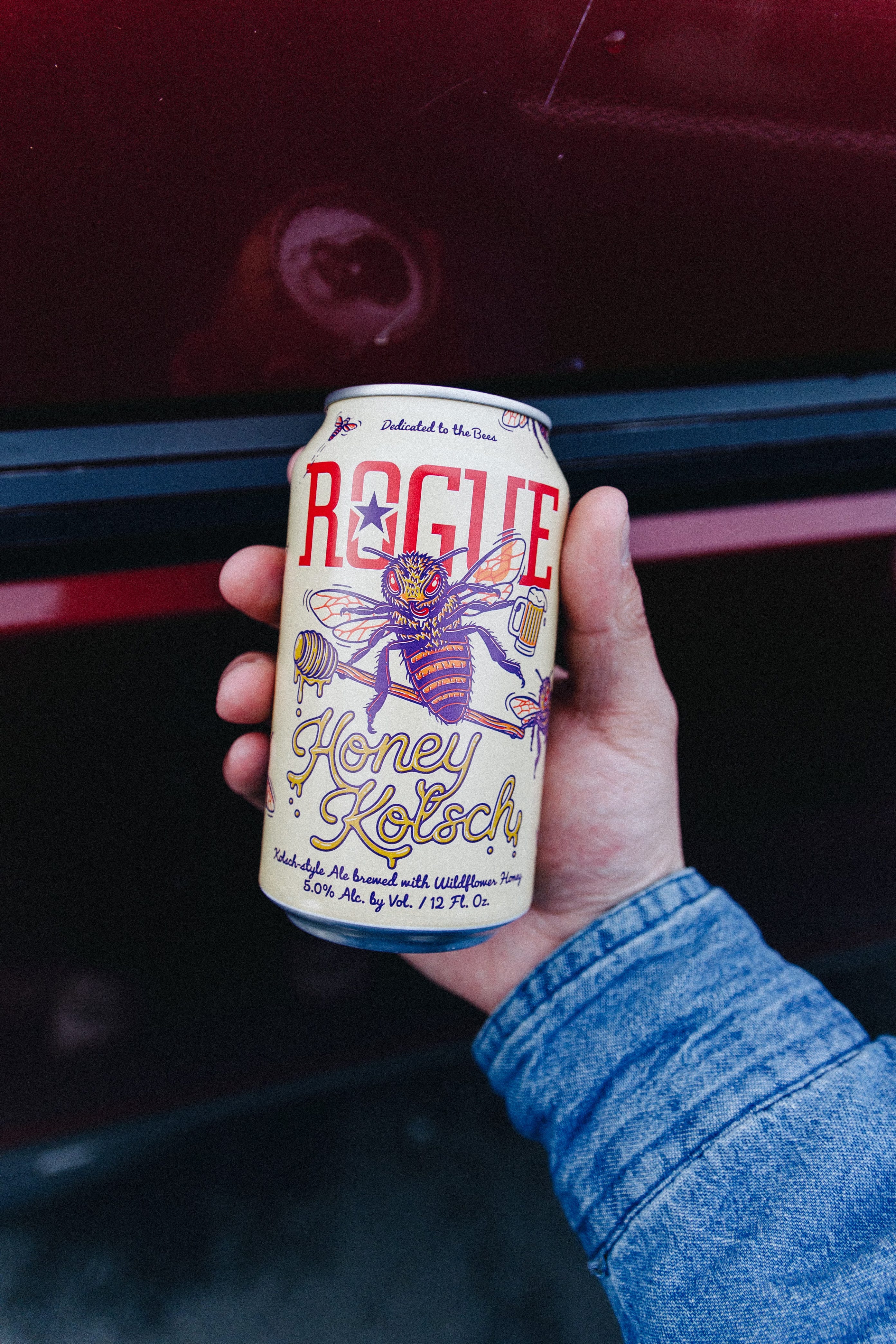
Honey is far more than a simple sweet drizzle over a peanut butter sandwich. Each spoonful carries centuries of history, healing, and culture—a golden thread weaving from ancient tombs and Turkish breakfasts to bubbling fermenters and craft breweries. What began as a childhood sweetness in my kitchen is, in truth, a substance that has nourished, healed, and inspired civilizations. Perhaps that’s why honey endures: never just simple, always carrying a story.
Hammad, Manal. (2018). BEES AND BEEKEEPING IN ANCIENT EGYPT. Journal of Association of Arab Universities for Tourism and Hospitality. 15. 1-16. 10.21608/jaauth.2018.47990.
Akkaya, Hayrettin. (2007). Beekeeping in Anatolia from the Hittites to the present day. Journal of Apicultural Research - J APICULT RES. 46. 120-124. 10.3896/IBRA.1.46.2.10.
Eteraf-Oskouei T, Najafi M. Traditional and modern uses of natural honey in human diseases: a review. Iran J Basic Med Sci. 2013 Jun;16(6):731-42. PMID: 23997898; PMCID: PMC3758027.