

The Nostalgia Factor
Does flavour alone decide how good a food tastes?

A foodie friend once told me that when he rates food, there’s always a “nostalgia factor” that changes everything—and it’s deeply personal. A dish might be considered average, even bad, by most people, but if it’s tied to a memory, it can taste extraordinary. We all have that food our mom made when we were kids, the one that clings to us no matter how much we’ve grown.
For me, it’s watermelon. Sure, it’s already refreshing and delicious, but what makes it special is the memory stitched to it. Growing up, we played a Japanese game called suikawari: one person would be blindfolded, spun around until dizzy (I always felt like they spun me extra), handed a stick, and directed toward a watermelon lying on the ground. Everyone shouted chaotic directions until—whack—the melon finally split open. Then we’d all dive in, laughing, sticky, and satisfied.
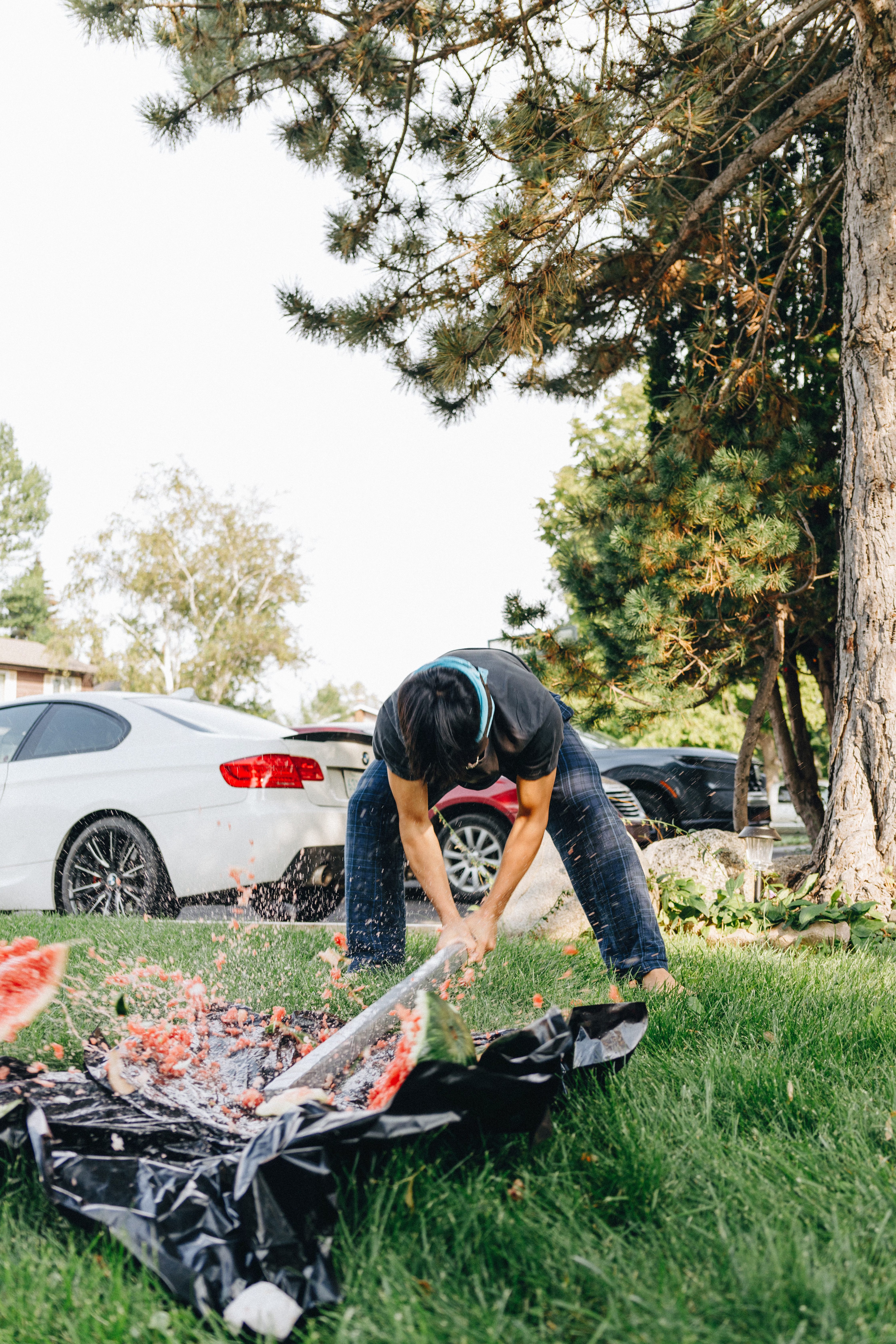
There’s nothing inherently magical about watermelons, but for me it’s unforgettable. Every bite carries those moments of childhood joy, and that nostalgia makes it sweeter than any other fruit.
Food is like that everywhere. Every flavour carries its own emotional weight. Which is why it’s nearly impossible to be objective about eating—because food is personal, and memory seasons it in ways no recipe can.
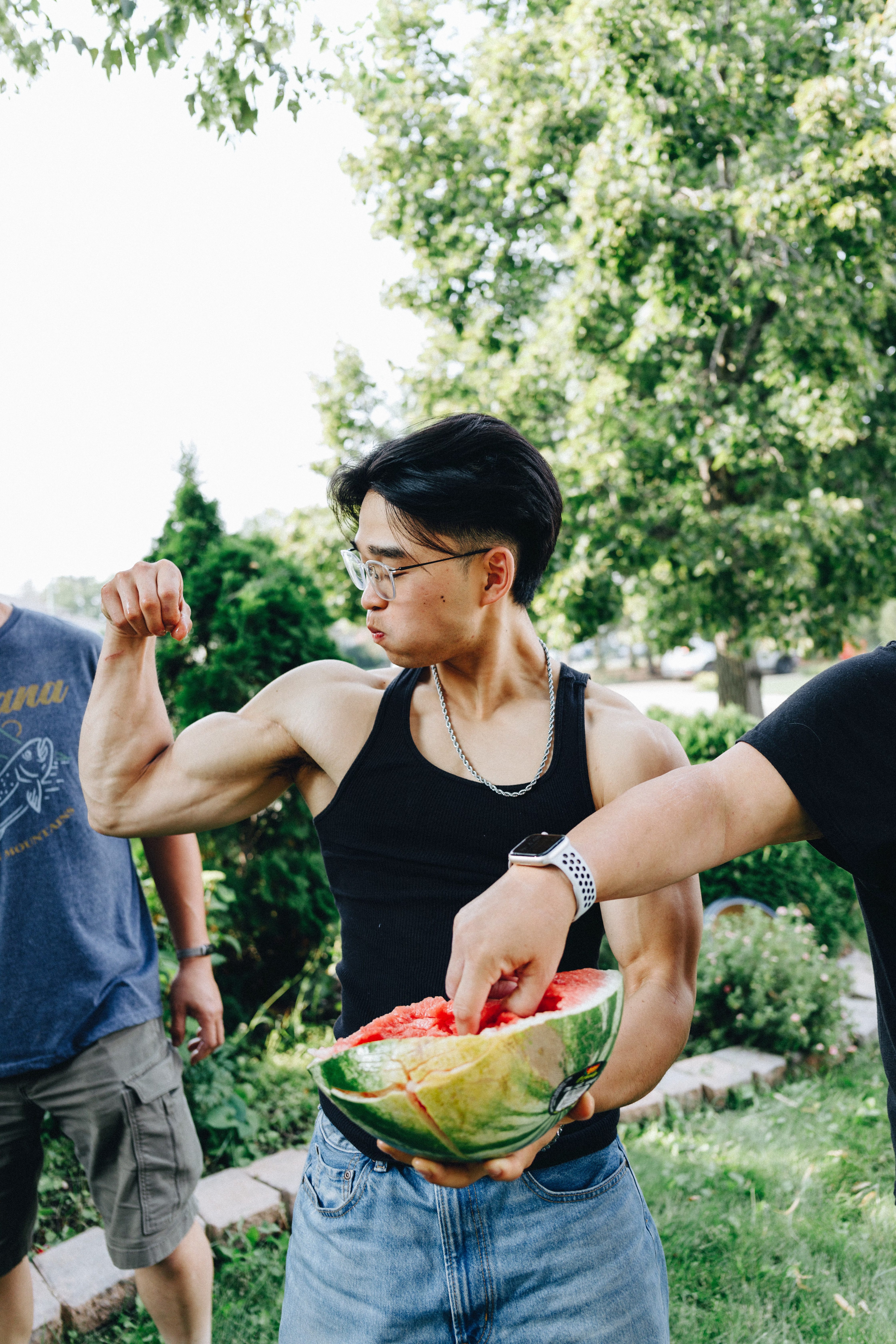
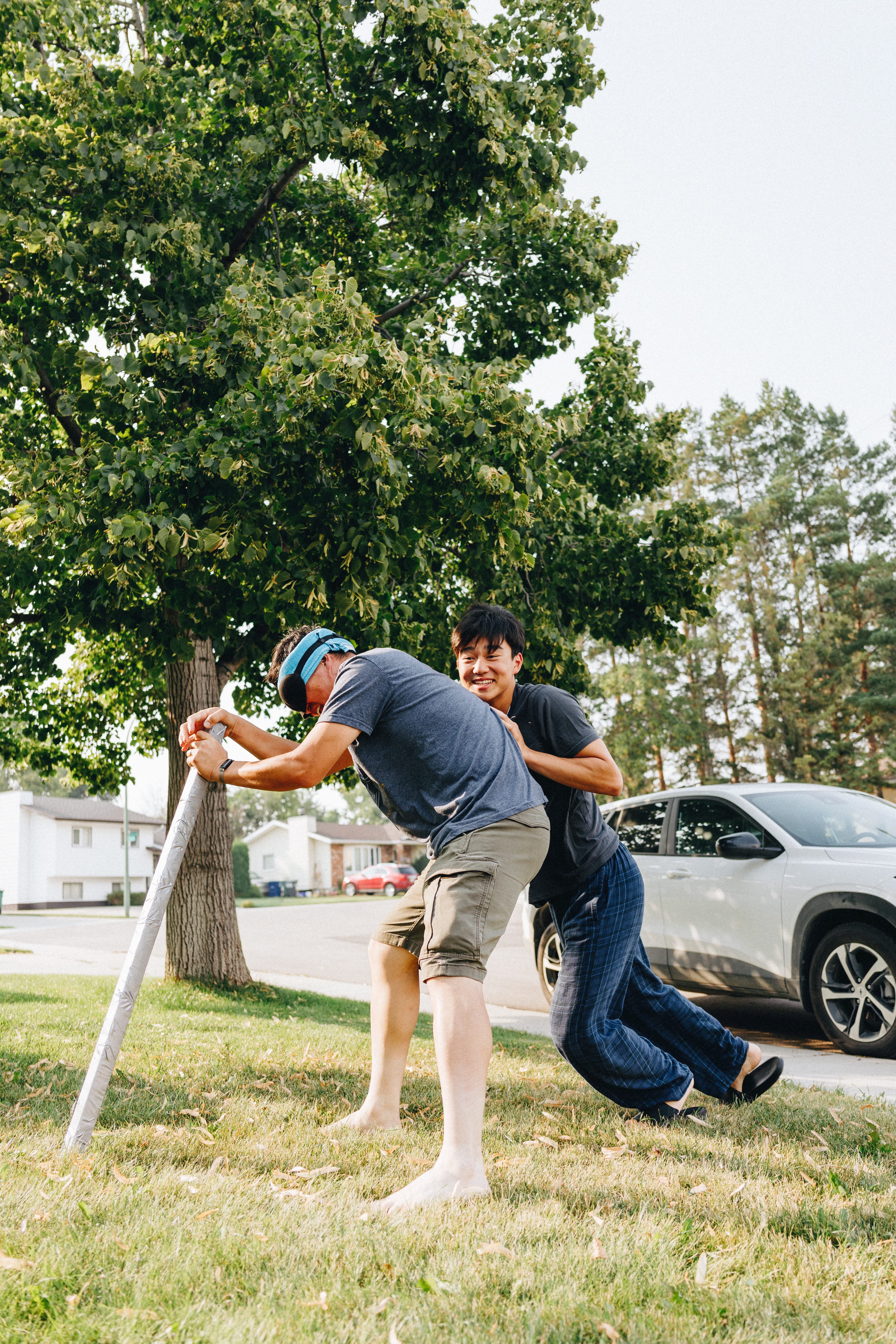
So if there’s something you love—whether others find it plain, odd, or “lesser”—eat it proudly. The nostalgia on your plate is yours alone, and that’s what keeps flavour connected to who you are and where you come from.
What’s a childhood food you love that others don’t quite understand without your nostalgia?